
 Language


More Language
Language One-stop comprehensive solution provider
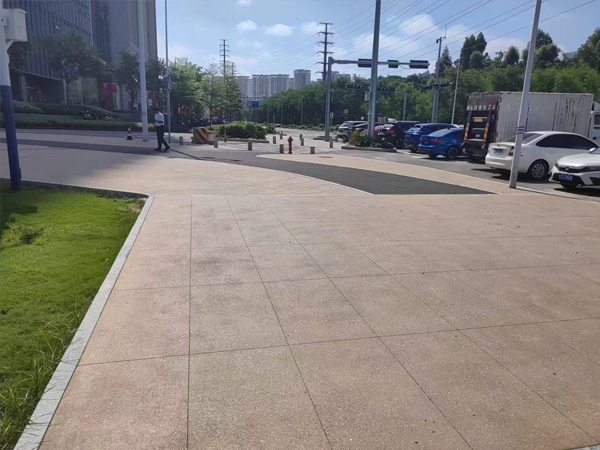
Four main materials of gravel polymer flooring: gravel aggregate, retarder, hardener, sealer > Gravel polymer (exposed aggregate art flooring), commonly used for landscape paths, courtyards, and parks; complete process sequence: spreading and scattering aggregate → spraying retarder → high-pressure washing → curing → hardener → spraying sealer
 |  |  |
 |  |  |
 |  |  |
Four main materials of gravel polymer flooring: gravel aggregate, retarder, hardener, sealer > Gravel polymer (exposed aggregate art flooring), commonly used for landscape paths, courtyards, and parks; complete process sequence: spreading and scattering aggregate → spraying retarder → high-pressure washing → curing → hardener → spraying sealer
I. Gravel polymer aggregate (colored gravel/washed stone aggregate)
1. Main body of the ground decorative surface, exposed after forming, determining color, texture, and aesthetics of the ground; commonly uses natural colored stones and glass aggregates.
2. Enhances the anti-slip and wear-resistant properties of the, creating a natural stone texture.
3. Embedded in the concrete surface, fixed by cement slurry coating, forming a 3D exposed effect.
Application method 1 Standard specifications: clean gravel of 3–5mm / 5–8mm is commonly selected; 2. During the spreading, leveling, and initial setting stage of concrete (prints left but not sticking to feet), scatter the aggregate evenly in two batches; Total dosage: 3–16kg/㎡, fill the gaps, and finish the surface again;3. Pressing standard: half of the aggregate is embedded in the cement slurry and half is exposed to prevent stones from falling off later; 4. After scattering and finishing the, wait for a certain time before spraying the retarder.
⚠️ Taboo: High mud content in the aggregate will cause poor bonding and large-scale stone loss.
II Retarder (surface retarder, core material of the entire process) Function: Only delays the solidification of the top 1–3mm cement slurry, while the internal concrete hard normally; After waiting for the specified time, the floor washing machine washes away the soft cement slurry on the surface, uniformly exposing the gravel aggregate; Precisely controls the exposure depth of aggregate, avoiding uneven washing, too shallow exposure without texture, or stones falling off due to washing too deep.
III. Application method 1. When the aggregate finishing is completed the surface has no standing water, and no footprints are left when standing on it; 2. Shake the material well, spray evenly with a spray machine in a fine mist, ensuring coverage, no missed spraying, and no water accumulation or running; 3. Standard dosage: 0.25–0.35kg/㎡; after spraying, a film can be covered depending on the situation to prevent rapid air-drying and failure; 4. Washing timing (reference) - Room temperature 20–28℃: 8–16 hours after construction - High temperature in summer: 6–10 hours - Low temperature environment: 18–24 hours 5. Use high-pressure water gun to wash the surface slurry, exposing clear gravel, rinse clean with fresh water, and let it air dry and cure naturally
Key point: Always perform a small-scale test wash before full rinsing; washing too early causes gravel to detach, while too late results in hardened cement that cannot be cleaned.
III. Penetrating Hardener
Functions
1. Penetrates into the concrete, reacts with cement to improve base density surface hardness, and wear resistance;
2. Seals capillary pores to reduce efflorescence and whitening of the ground;
3. Reinforces the cement matrix at the base of the, reducing the risk of later sanding and loosening;
Distinction: Hardener penetrates to reinforce the matrix; sealer forms a surface film for protection, and their functions do not overlap
Application Method
1. Clean the ground thoroughly, cure for 3–7 days, let the ground dry completely, and sweep away floating dust;
2. Use theener according to the manufacturer's instructions, spraying evenly with low pressure;
4. After drying completely (usually 12–24h), lightly polish and clean the dust, then proceed with the sealer application.
IV. Sealer (Acrylic Weather-Resistant Topcoat)
Functions (Final Topcoat)
1. Locks in the of the gravel, resists UV rays, and prevents fading and loss of gloss;
2. Forms a breathable protective film, waterproof and oil-resistant, preventing dirty water and stains easily penetrating the gaps;
3. Inhibits cement efflorescence and protects the bond between the aggregate and cement;
4. Enhances the texture of the gravel, available in matteglossy options, making daily washing and cleaning convenient.
Application Method
1. Prerequisites: Hardener application completed, ground thoroughly dry, moisture content <8%; construction prohibited on days or when humidity >85%;
2. Total dosage: 0.25–0.35kg/㎡, applied in two coats by rolling or spraying
First coat: thin spray for penetration; after drying, spray the second coat in a cross direction;
3. Application method: High-pressure airless spraying is best,-hair rollers can be used for small areas;
4. Curing time: 4 hours to touch dry (no walking); 24 hours for pedestrian traffic; days for full curing to allow small vehicle traffic.
Summary of Complete Standard Construction Process
Concrete pouring and leveling → Spreading gravel aggregate in batches, troweling and pressing the surface Spraying passivator → Periodic high-pressure water washing to expose aggregate → Natural curing for 7 days → Sweeping the ground → Spraying penetrating hardener → Drying and removal → Two coats of sealer spraying → Finished product open for traffic